
Words like yautía and ñame will seem confusing for some readers, fear not, we've written a comprehensive guide to Dominican tubers to help you navigate through some of our recipes.
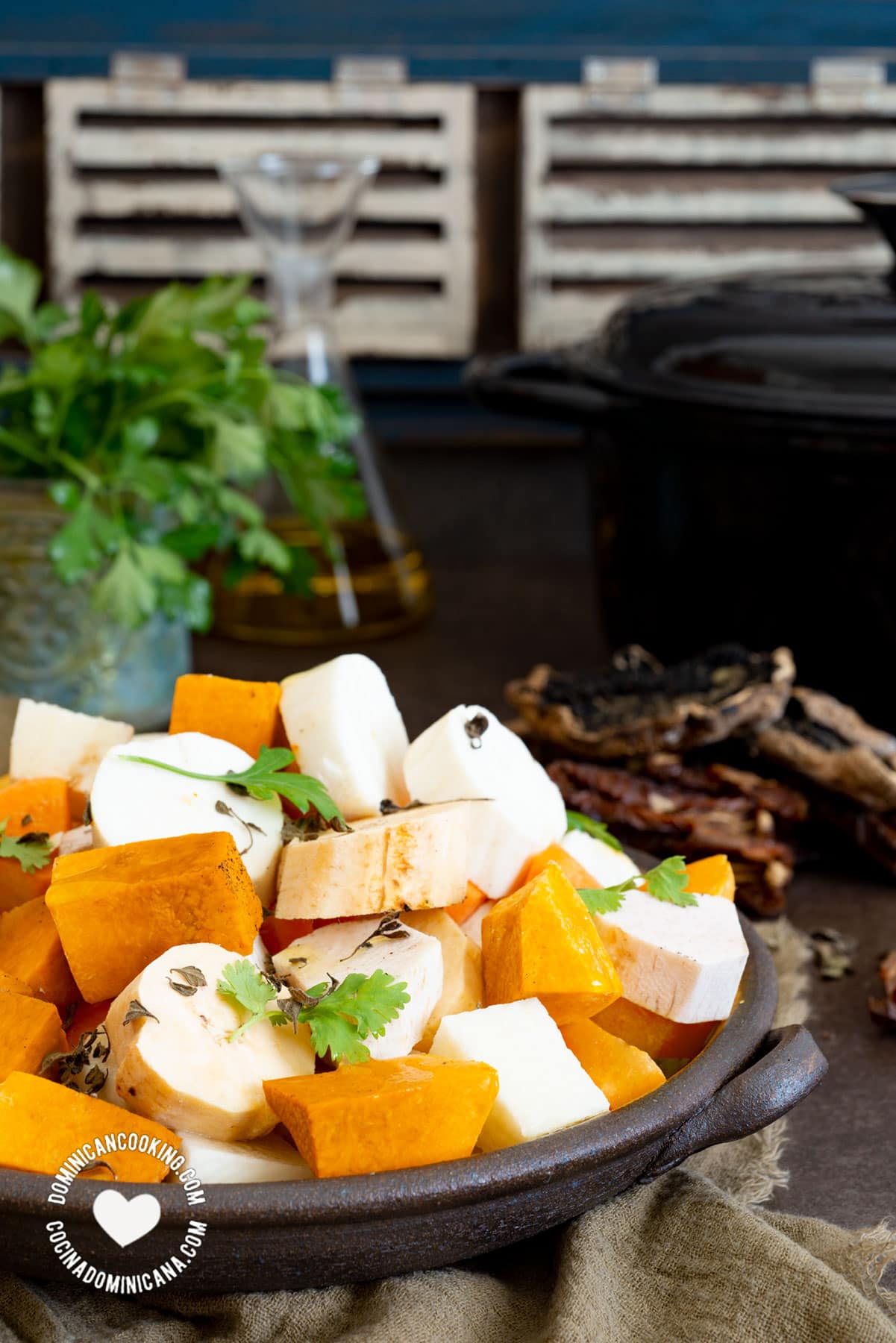
It’s no exaggeration to describe tubers and root vegetables (tubérculos, raíces or víveres in Spanish) as iconic Dominican foods. If they were more photogenic they could easily claim a spot on the Dominican flag (not the edible variety) alongside the other national symbols featured there, if a vacancy were to arise.
What are Dominican víveres?
Víveres is what Dominicans call a number of vegetables, tubers, and root vegetables.
In standard Spanish, víveres actually means the basic foodstuffs that are needed for survival. This gives us some idea of the importance of these tubers and vegetables for Dominicans. It also reminds me of the way the word for bread in Egyptian Arabic, aish, means life.
Root vegetables and tubers, as well as auyama (West Indian pumpkin) and plantains -- neither of which are tubers in the botanical sense but in the Dominican Republic are in the same gastronomical family as víveres -- are firmly intertwined with the Dominican national cultural identity.
Víveres in their own right as well as the dishes they are used in, like mangú, are among the country’s best-loved and most representative foods. A remarkable thing about tubers is that despite being a traditional poor people’s food, Dominicans of all socioeconomic classes love them, with no stigma attached whatsoever.
Roots and tubers in Dominican cuisine
Setting plantains and auyama aside for the moment, let’s concentrate on root vegetables and tubers, and what they are called in Spanish and English. We’ve touched on this before in articles about the challenges of writing about Dominican food for an English-speaking audience.
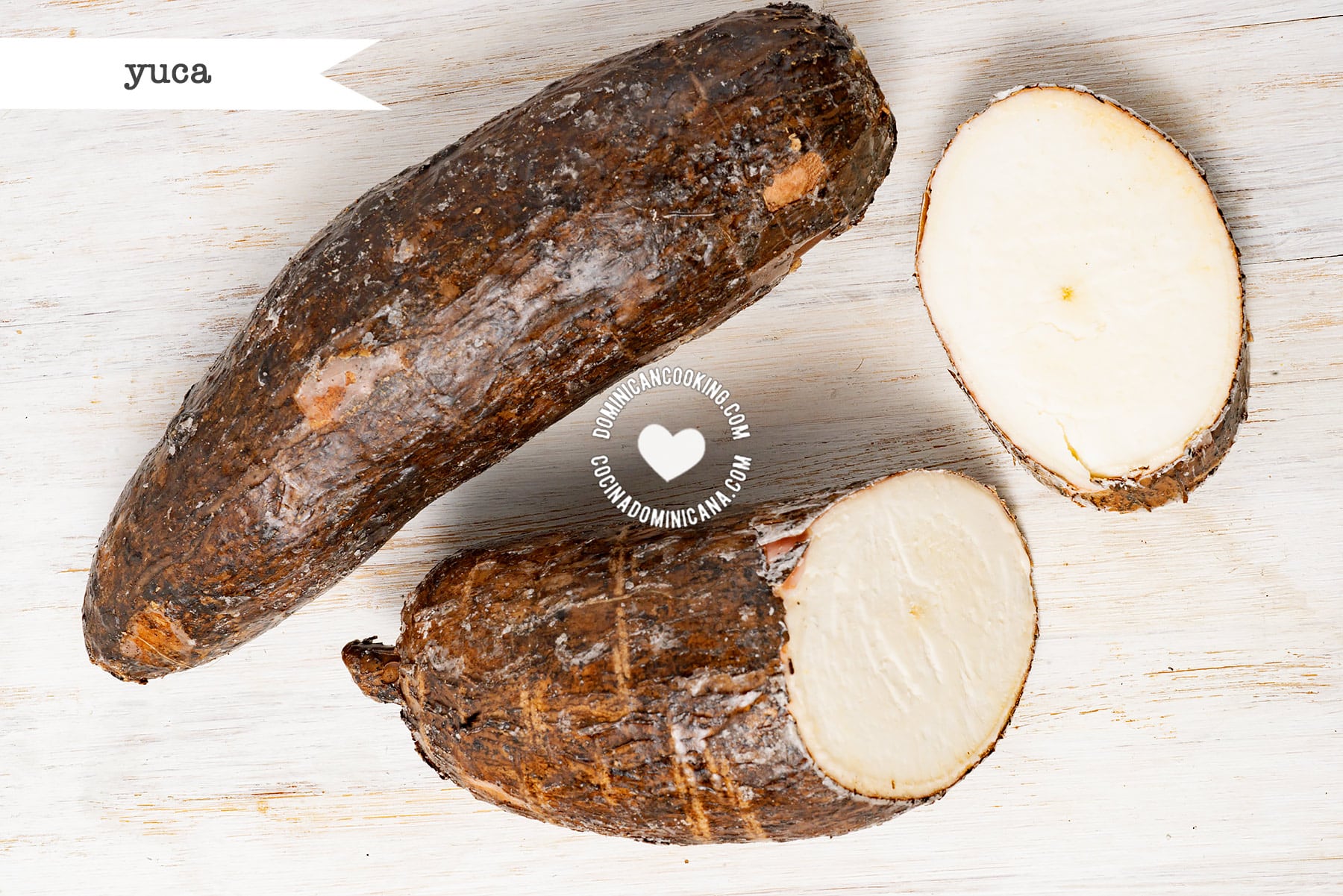
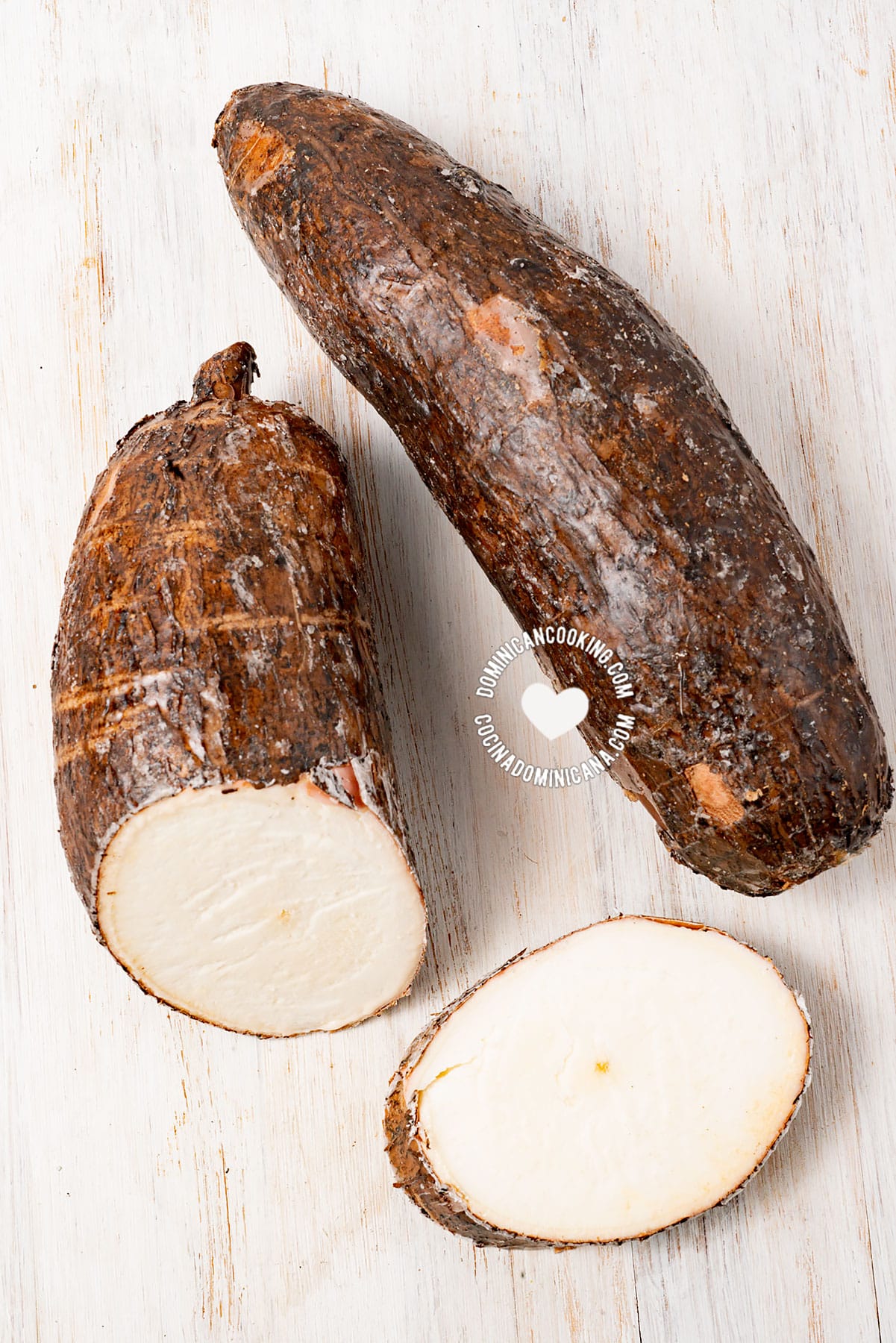
Yuca
Scientific Name: Manihot esculenta
Name in the Dom. Rep.: Yuca
Name in Cuba: Yuca
Name in Puerto Rico: Yuca
Name in Venezuela: Yuca
Name in Mexico/Central América: Yuca
Names in English: Cassava / Manioc / Brazilian arrowroot
Used in: Boiled as a side dish, fried as finger food, mashed as a side dish, in soups and stews, in casseroles, and several other dishes (see yuca recipes here).
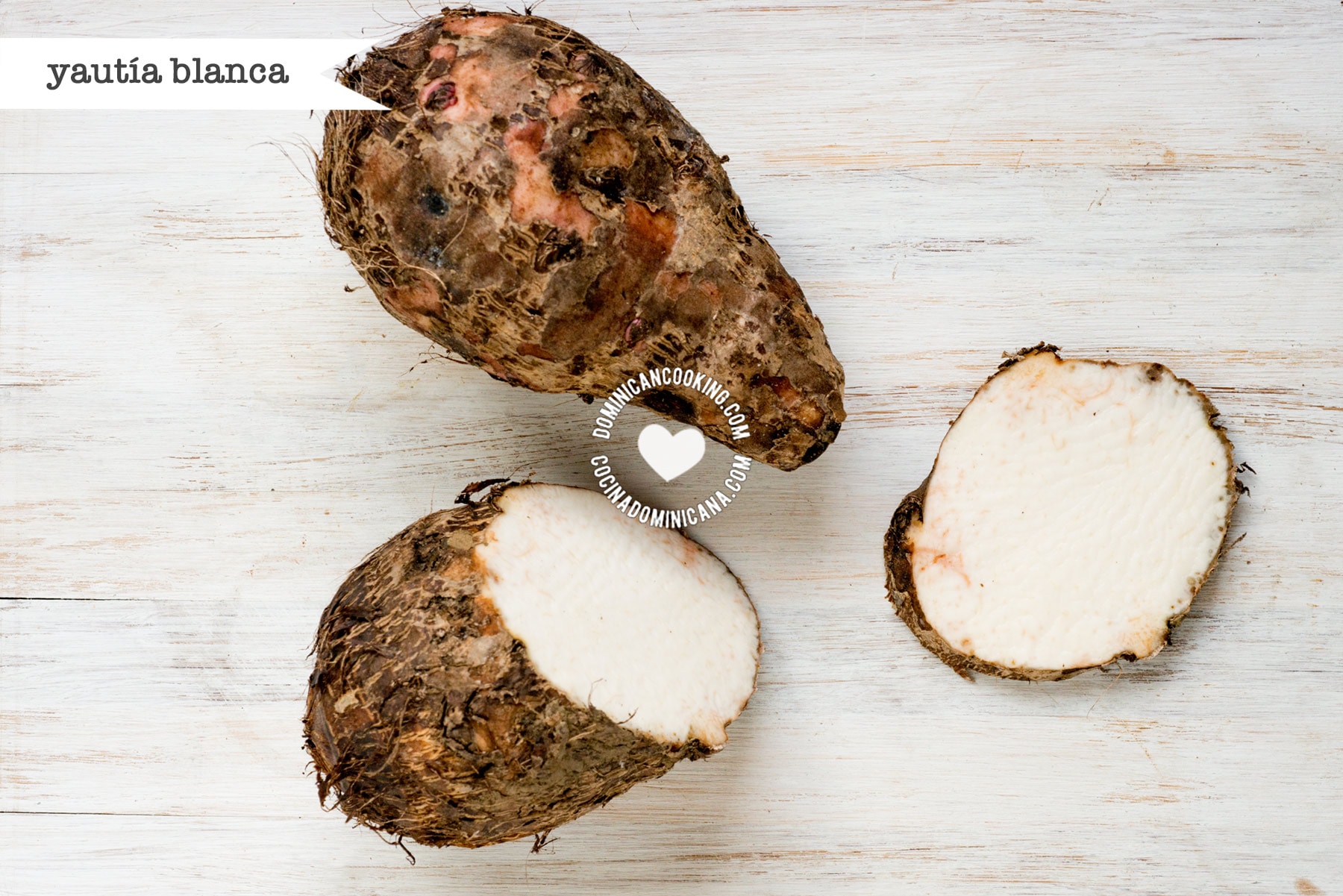
Yautía blanca
Scientific Name: Xanthosoma sagittifolium
Names in the Dom. Rep.: Yautía / Yautía Blanca
Names in Cuba: Malanga blanca / Guagüí
Name in Puerto Rico: Yautía
Name in Venezuela: Ocumo blanco
Names in Mexico/Central America: Macal (Mexico, Yucatan) / Quiscamote (Honduras) / Tiquisque (CR)/ Otó (Panama)
Names in English: Malanga / Taro / Dasheen
Used in: Boiled as a side dish, mashed as a side dish, and in Sancocho Stew and Pasteles en Hoja pockets.
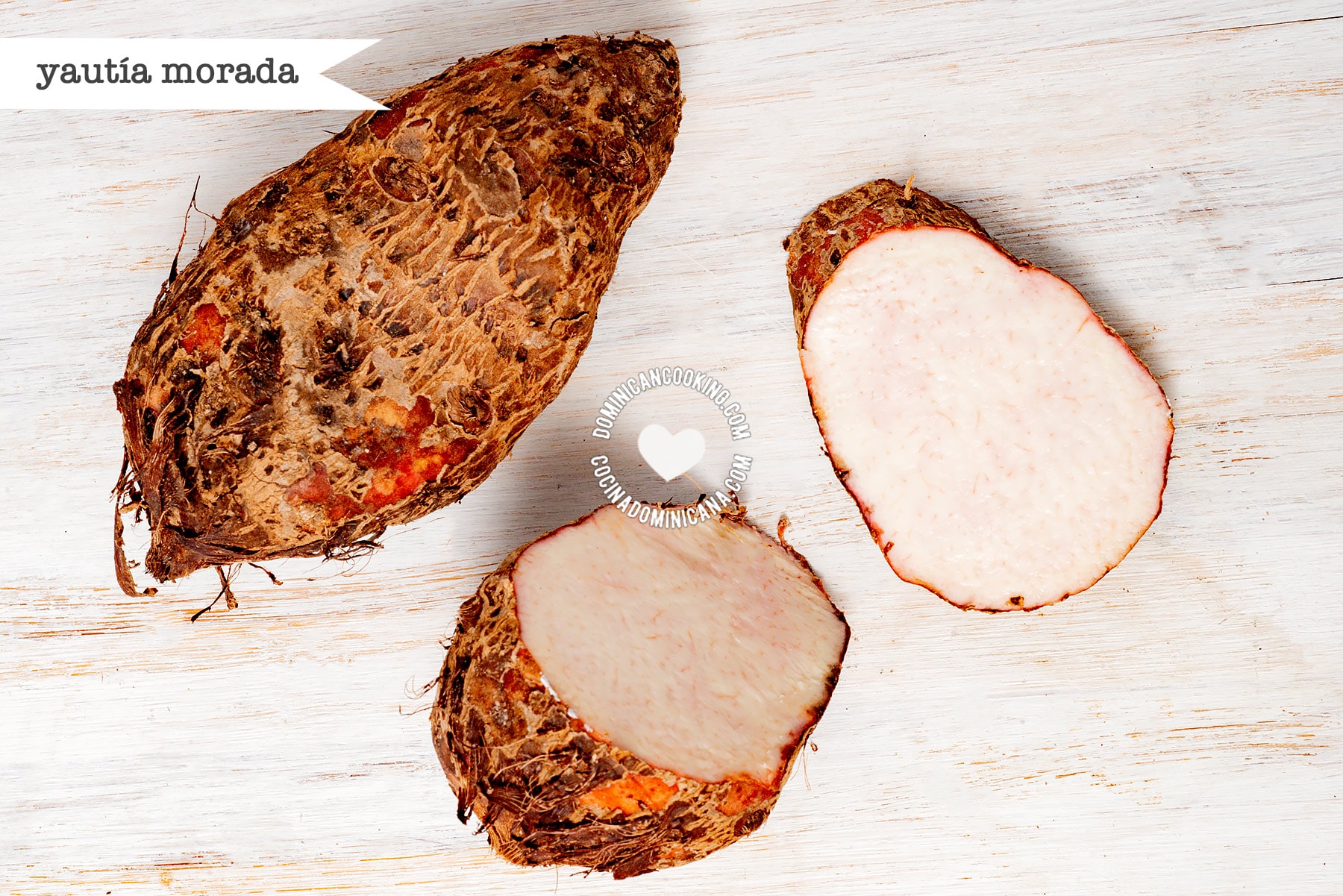
Yautía morada
Scientific Name: Xanthosoma violaceum
Names in the Dom. Rep.: Yautía morada
Names in Cuba: Malanga lila / Malanga morada
Name in Puerto Rico: Yautía lila
Name in Venezuela: Ocumo morado
Names in Mexico/Central America: Tiquisque morado (CR) / Otó (Panama)
Names in English: Blue Taro
Used in: Boiled as a side dish, mashed as a side dish.
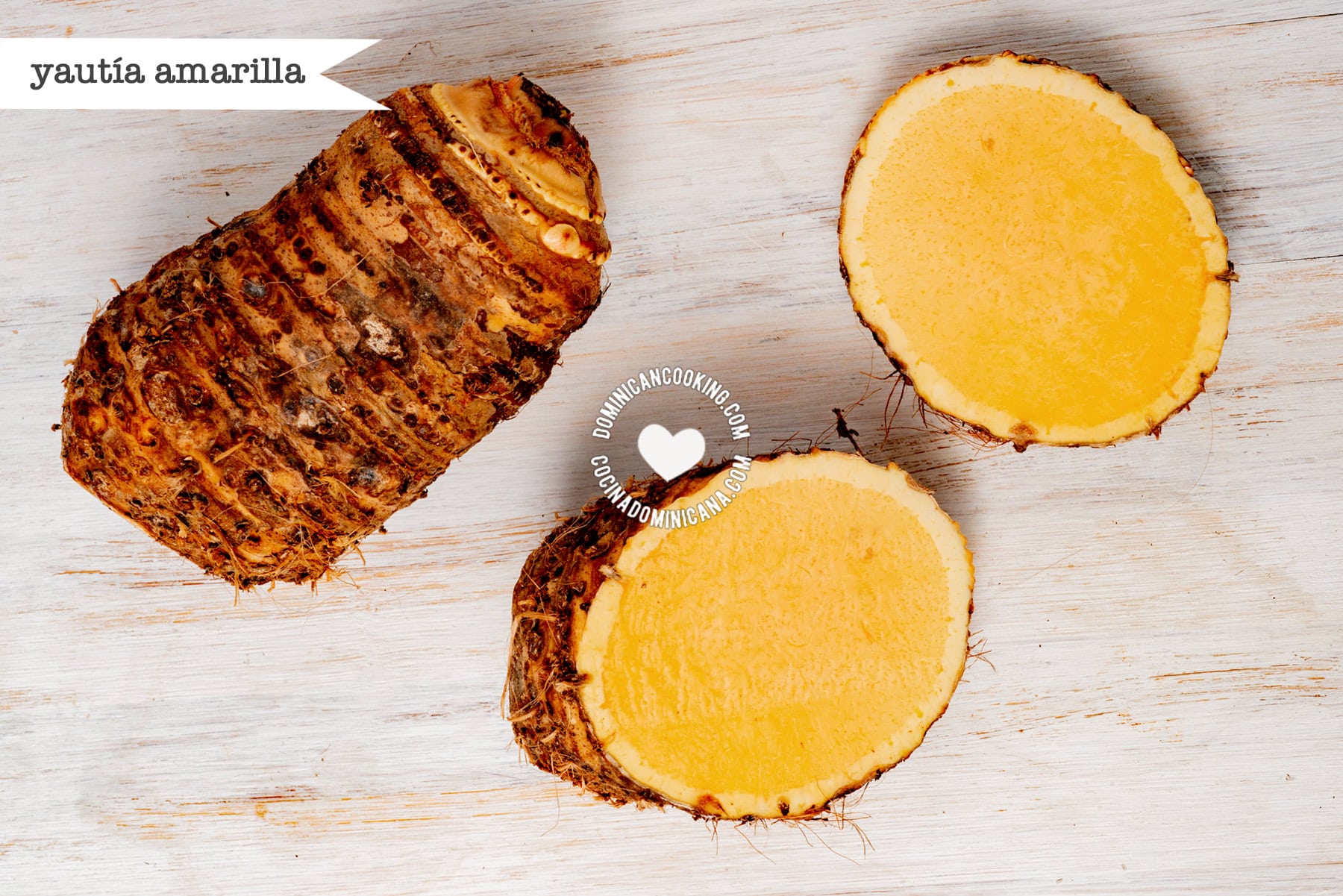
Yautía amarilla
Scientific Name: Xanthosoma atrovirens
Name in the Dom. Rep.: Yautía amarilla
Name in Cuba: Malanga amarilla
Name in Puerto Rico: Yautía amarilla
Names in English: Malanga / Indian kale
Used in: Boiled as a side dish, and mashed as a side dish.
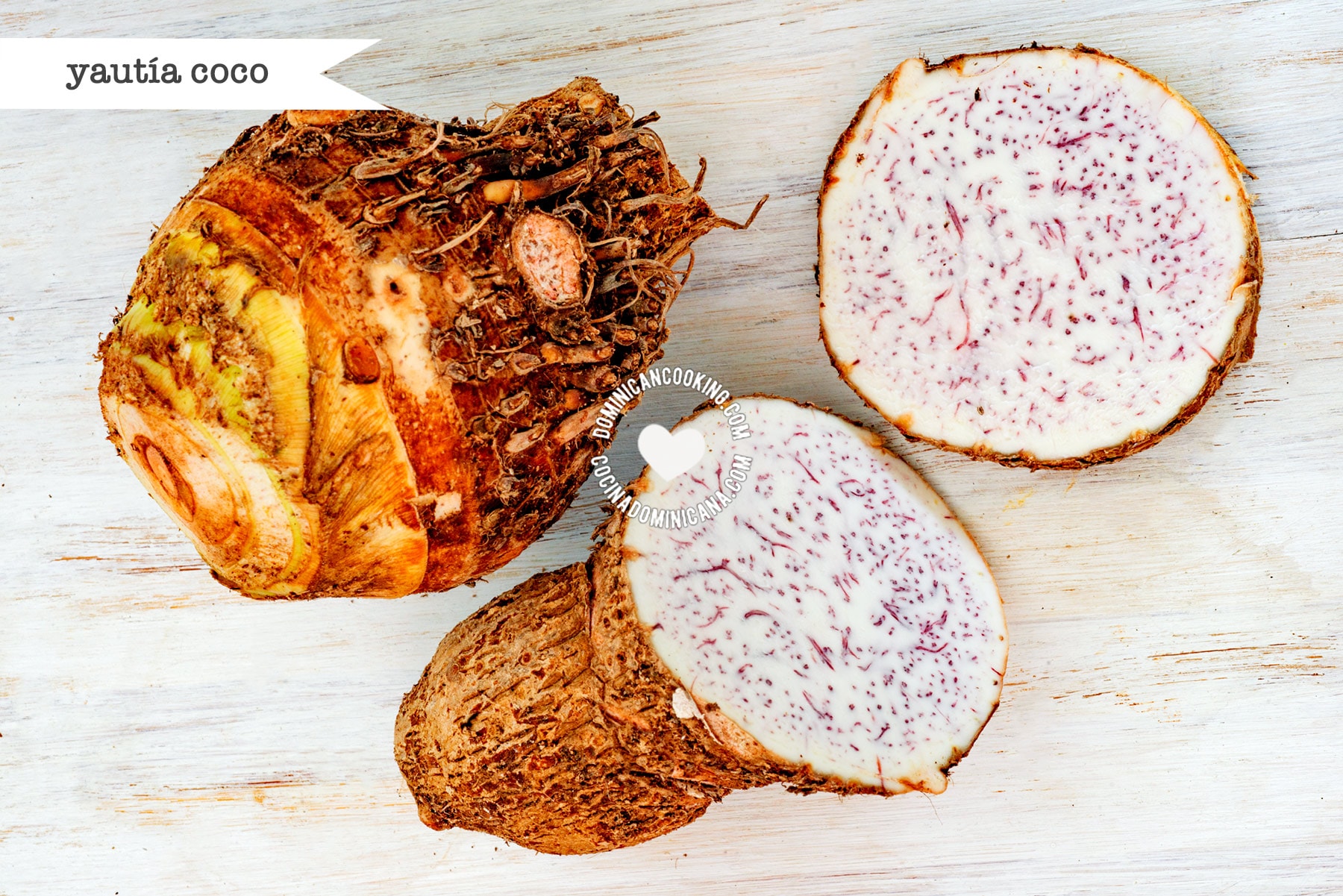
Yautía coco
Scientific Name: Colocasia esculenta
Names in the Dom. Rep.: Yautía coco, pipiota, ñemolea
Name in Cuba: Malanga isleña
Name in Puerto Rico: Malanga
Name in Venezuela: Ocumo chino
Name in Colombia: Mafafa
Name in Mexico/Central América: Malanga
Names in English: Cocoyam / Taro
Used in: Boiled as a side dish, and mashed as a side dish.
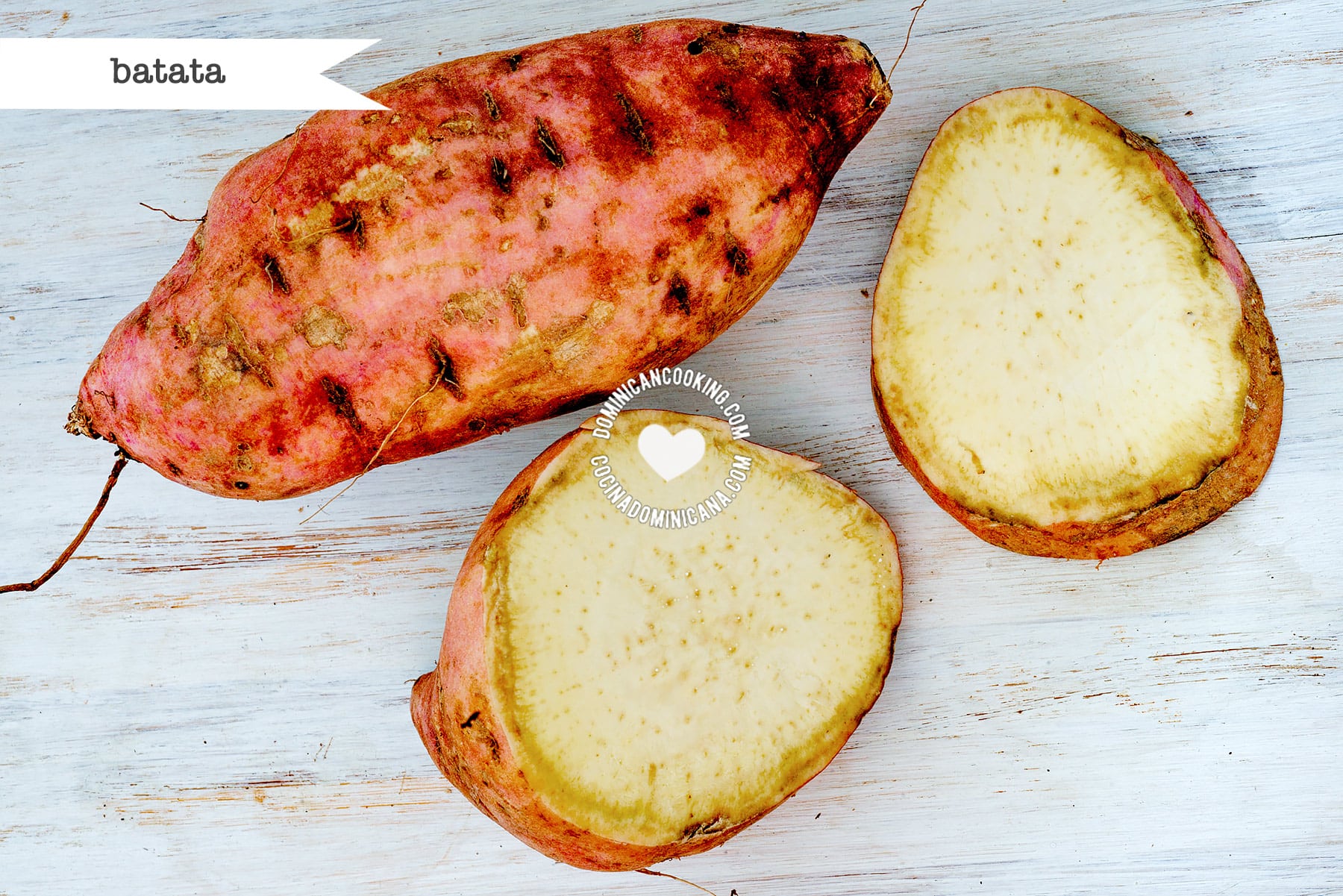
Batata
Scientific Name: Ipomoea batatas (L.)
Name in the Dom. Rep.: Batata
Name in Cuba: Boniato
Name in Puerto Rico: Batata
Name in Venezuela: Batata dulce / Chaco / Boniato
Name in Mexico: Camote
Names in English: Oriental sweet potato / Japanese yam
Used in: Boiled as a side dish, fried as finger food, mashed as a side dish, in soups and stews, desserts, and several other dishes (see batata recipes here).
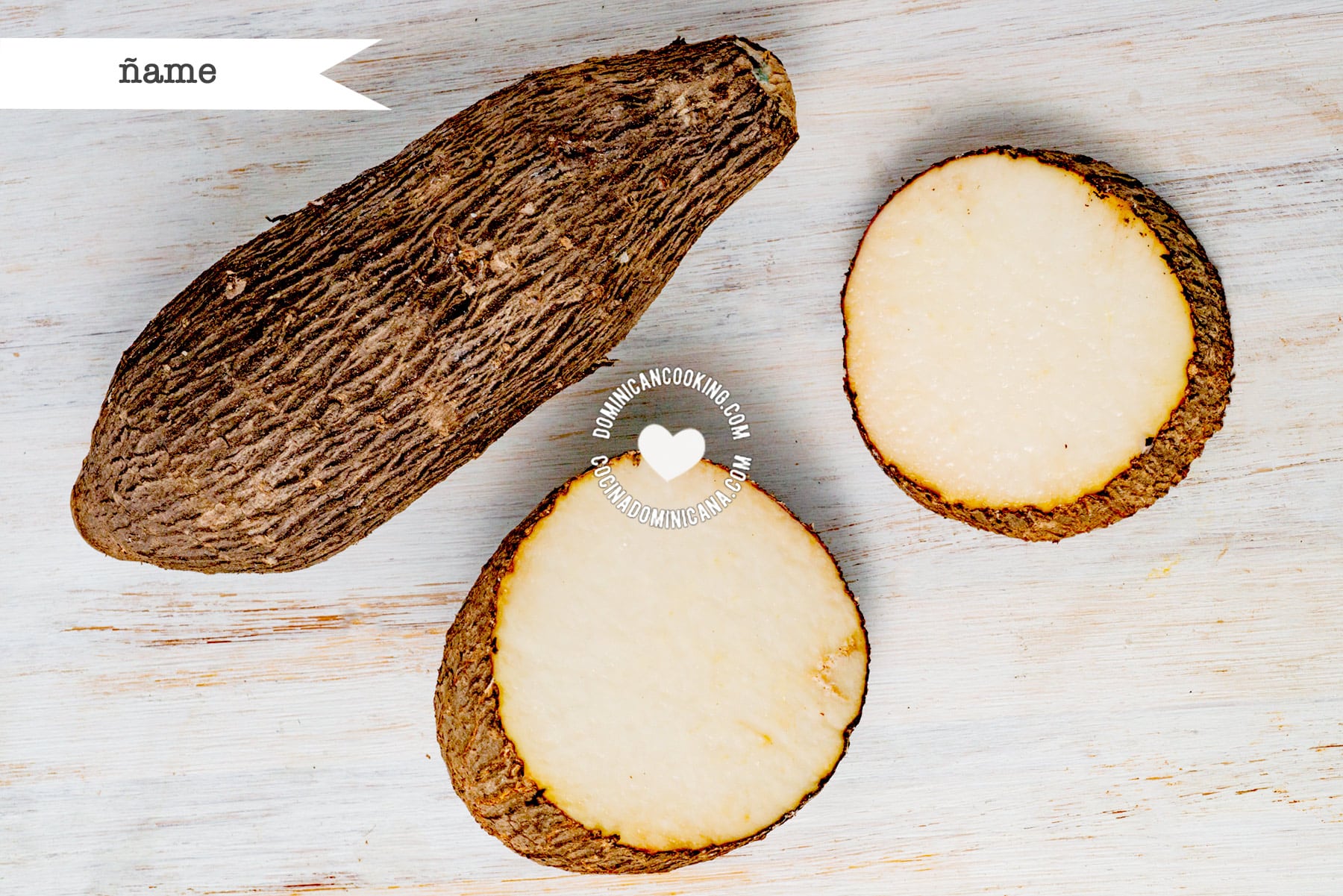
Ñame
Scientific Name: Dioscorea trifida
Name in the Dom. Rep.: Ñame
Name in Cuba: Ñame
Name in Puerto Rico: Ñame
Name in Venezuela: Mapuey
Name in Colombia: Ñame
Names in English: Yam / Indian yam
Used in: Boiled as a side dish, mashed as a side dish, and in Sancocho Stew and Pasteles en Hoja pockets.
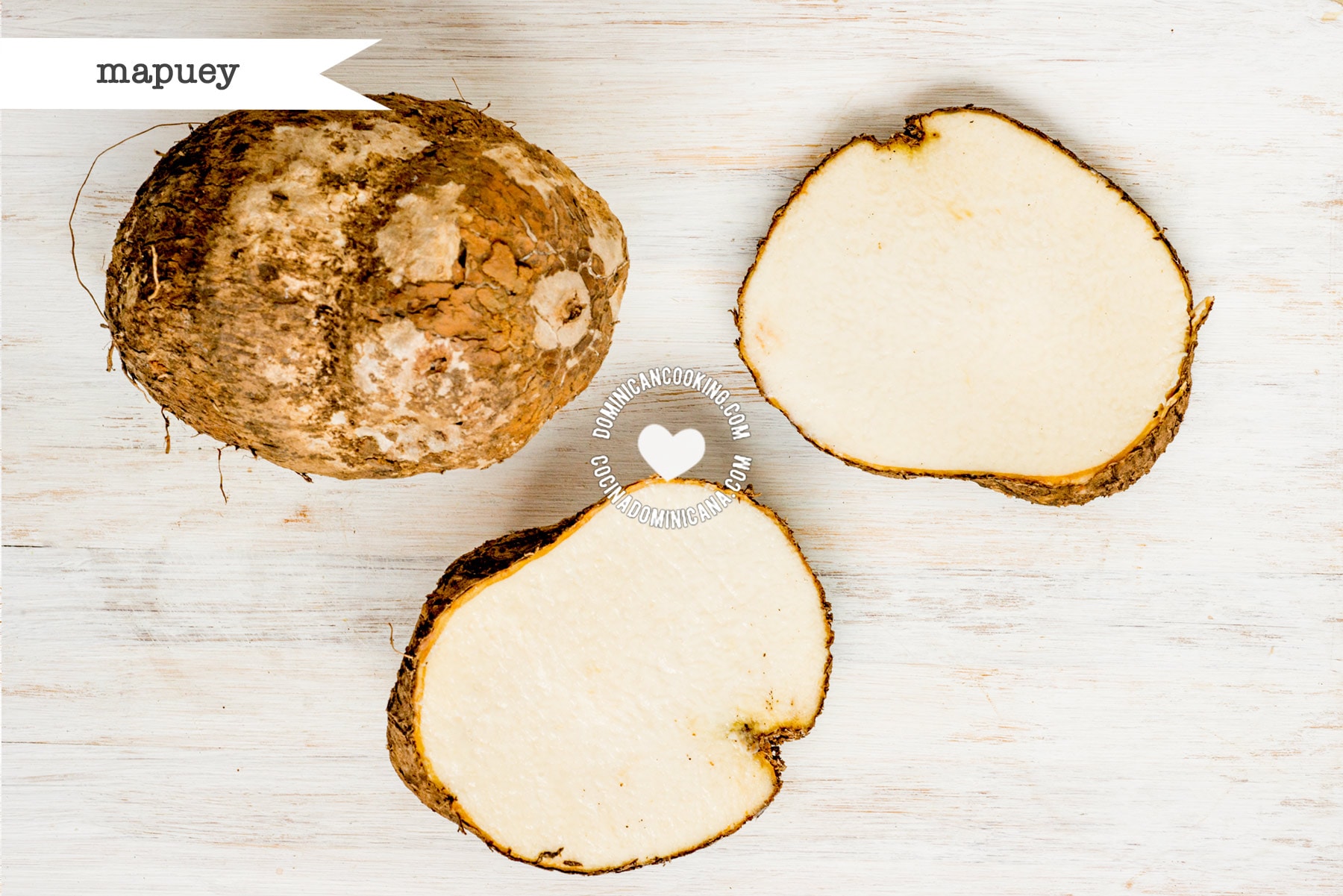
Mapuey
Scientific Name: Dioscorea trifida (L.)
Name in the Dom. Rep.: Mapuey
Name in Cuba: Ñame Mapuey / Llampín
Name in Puerto Rico: Ñame Mapuey / Mapuey
Name in Venezuela: Wanka
Name in English: Yam / Indian yam
Used in: Boiled as a side dish, and mashed as a side dish.
Notes about batata
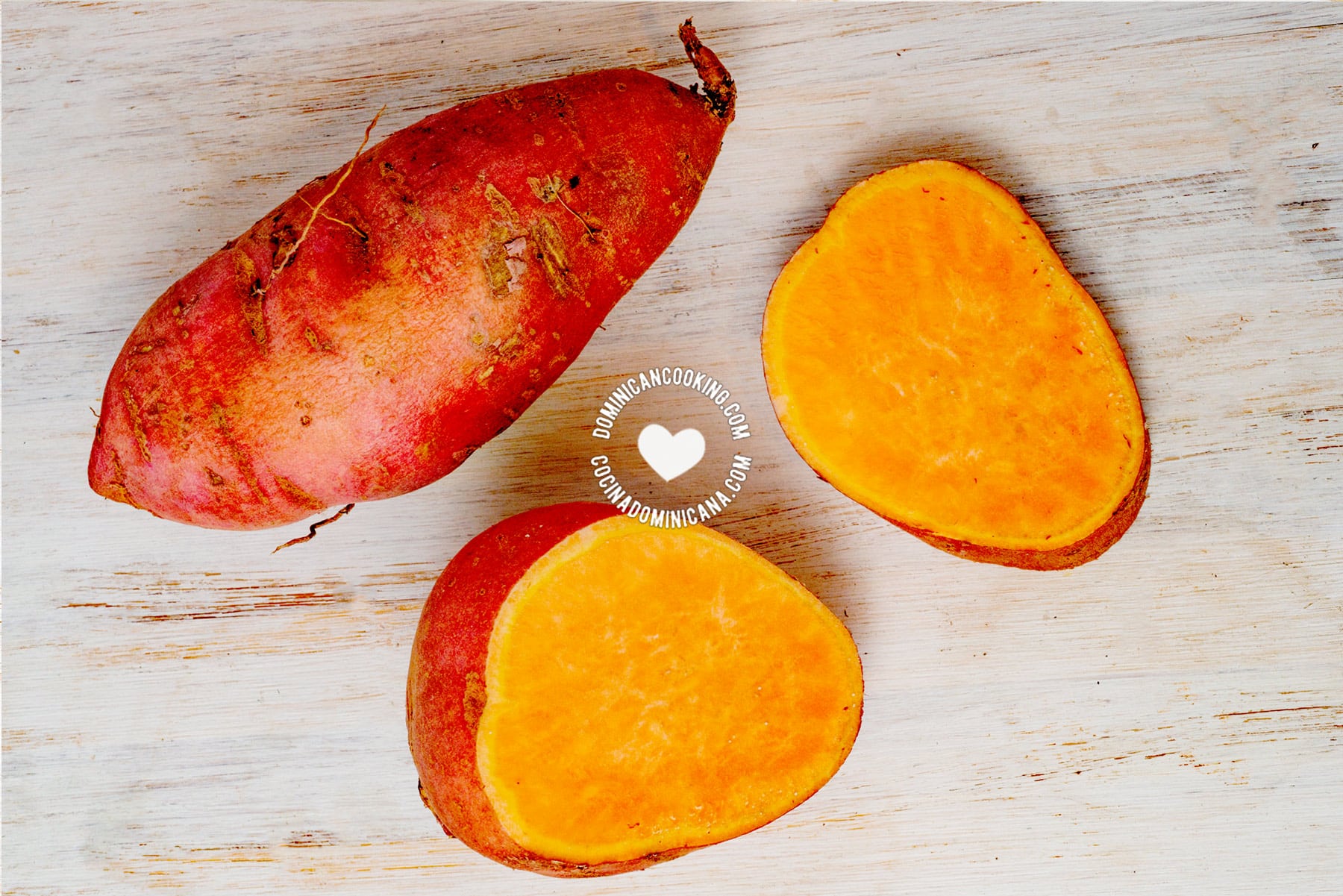
What is commonly -- and incorrectly [12] -- known as yam in the United States is actually an orange-fleshed sweet potato (also Ipomoea batatas, though not the pale variety that is known as batata in the DR). It is not related to ñame. The USDA recognizes yam as ñame, and requests that the orange sweet potato be labeled "sweet potato".

Tia Clara's notes
While this is the article in which we have invested more time in the research process, it has been very difficult to find a consensus on names in many cases.
The method we followed was to start by sending the photos to 20 colleagues, five of them Latin American, the rest Dominican, and asking them to identify each tuber. We also looked up the scientific names and matched these to local names in those countries. In some cases, the answer was obvious (as in the case of cassava, which is yuca). In others, we found answers that required further investigation.
Unfortunately, in some cases, reliable literature is scarce or contradictory, but we take the authoritative sources (see references at the bottom) that confirmed the majority consensus. We appreciate you telling us if you know any of these by a different name, this may just mean that there are local/regional names that do not appear in the scientific or academic literature we consulted.
If you have any regional names that we've left out, please share in the comments.
References
- University of Melbourne Plant Names Database [archived]
- Fundación de Desarrollo Agropecuario. Guía Técnica de Cultivo [archived]
- Revista del Jardín Botánico Nacional © 2002, Universidad de la Habana
- La Cocina Dominicana: Características, Desarrollo y Diferenciación
- Centro de Recursos Informativos Digitales Agrícolas de Puerto Rico [archived]
- Library of Congress Website
- FAO
- Mansfeld's Encyclopedia of Agricultural and Horticultural Crops (pag. 2153, 2154)
- Instituto Dom. de Investigaciones Agropecuarias y Forestales
- Food Reference Online
- El agricultor venezolano, ó Lecciones de agricultura práctica nacional. 1861 Ed. Volumen 1. (pag. 88-89)
- Sweet Potato or Yam? University of California, Agriculture & Natural Resources